Friday, 20 January 2017

Cervical cancer screening strategies: not the test you take, but the decision you make

Starting from May 1, 2017 in Australia the National Cervical Screening Program will shift from cervical cytology every two years, to HPV DNA testing as the sole primary screening test every five years in women aged 25 to 74 years, together with the implementation of an active HPV vaccination program.

Cervical cancer
Conversely in Japan cervical screening using cytology every two years is still being recommended for population-based and opportunistic screening. While Canadian guidelines also recommend cervical screening with cytology every 3 years, in Europe cervical cytology is recommended for women under 30-35 years, and HPV testing as the sole primary screening test every 5-10 years for women above 30-35 years. Actually, guidelines do not represent the real situation in each European country.

In the Netherlands, screening is well organized and relies on primary HPV testing every 5 years until 40 years of age and every 10 years for women aged 40 and beyond: no screening is provided for women under 30, nor over 60 years of age.
PDF LINK

Thursday, 19 January 2017

Review of Leakage from a Linear Accelerator and Its Side Effects on Cancer Patients

Radiation therapy using external beam radiation therapy (EBRT) is playing an important role for effective treatment of all kinds of tumors. Peripheral dose is the result of leakage and scatter from multileaf collimators devices (MLCs), counts for 2-10% of the maximum dose given to the patient, depending on the machine used and type of treatment.

Leakage from a Linear Accelerator
The present review reveals that despite of the recent advancements in linear accelerators (LINAC) and MLC design and technology, the remaining small amount of leakage (peripheral dose) of these devices still has significant side effects on patient’s life span and quality of life after treatment.

Based on the findings in this review, it is suggested that introduction of additional effective and patient-specific shielding techniques would have great impact on reducing risk of radiating healthy cells and hence adversely side effects on cancer patients.

Wednesday, 18 January 2017

Management Of Unexpected Peritoneal Metastases With Primary Colorectal Cancer Using Second-Look Surgery With HIPEC

Primary Colorectal Cancer
Peritoneal metastases (PM) will be unexpectedly present in approximately 10% of colorectal cancer patients having primary cancer resection. In the past this was considered to be an incurable condition with a terminal outcome.

In patients determined to have peritoneal dissemination at the time of resection, the intervention was considered palliative. Recently, long term benefit from definitive treatment of PM with cytoreductive surgery (CRS) and hyperthermic intraperitoneal chemotherapy (HIPEC) has become a reality. These treatments are now appropriate for primary appendiceal and colorectal cancer determined to have PM at the time of resection.

Modifications of the initial management of colorectal cancer patients found upon exploration to have PM are explored in this manuscript. In these patients, not only the primary cancer but also the PM must be optimally treated.

Tuesday, 17 January 2017

Experimental and Computational Approaches in Leveraging Natural Compounds

Cancer is caused by the complex interplay between various non-genetic (carcinogens, tobacco, chemicals, radiations and infectious organisms), and genetic factors (inherited mutations, hormones, immune conditions and mutations that occur from metabolism).

Leveraging Natural Compounds
These causal factors may act together, or in sequence to initiate or promote carcinogenesis. At a molecular level, it starts with the activation of oncogenes in the cells leading to subsequent inactivation of tumor suppressor genes.

The genes involved in the development of cancer can be grouped under two categories, viz. (i) Oncogenes and (ii) Tumor suppressor genes (TSGs). Oncogenes are responsible for transforming normal cells into their cancerous counterparts. Oncogenes are mutated form of otherwise normal genes known as proto-oncogene. These proto-oncogenes carry out critical functions like cell cycle regulation, and differentiation.

Monday, 16 January 2017

Osteoblastic Changes During Non-Small Cell Lung Cancer (NSCLC) Treatment

Non-Small Cell Lung Cancer
Recently, we published an article reporting an example of the potential misinterpretation in the evaluation of osteoblastic changes during tyrosine-kinase inhibitor treatment in metastatic ALKrearranged non-small cell lung cancer.

Bone metastases are common in disseminated NSCLC, occurring in approximately 30% to 40% of patients. In the majority of cases, they present an osteolytic imaging pattern, even though osteoblastic or mixed-type patterns have also been reported in nearly 8% of cases. Generally, in the assessment of objective response to anticancer agents, bone metastases are classified as non-target lesions and therefore “not evaluable” for response.

However, according to the revised Response Evaluation Criteria in Solid Tumors guideline, the appearance of new non-target lesions, including lytic or osteoblastic bone metastases, is a criterion for defining progressive disease. Sometimes, the evaluation of bone lesion response may be challenging and misinterpreted.

Thursday, 12 January 2017

Development of Thulium-170 Brachytherapy Sources and Application in Rats Treatment

Experimental work where Tm-170 LDR seeds and one HDR source were used to treat cancer on rats is described. Experiments were done with Lewis rats, carrying tumor developed from implantation of CNS-1 Rat Brain Tumor Astrocytoma cells, under the thigh skin. 75% of both HDR and LDR treated rats were completely cured.

Rats Treatment
I-125 seeds experiments were done as a control, only 8.3% were cured with a similar photon dose. The dose due to beta radiation is very significant and was the main reason for the treatment success.

Tm-170 seeds and a source were developed and tested for brachytherapy. The two common brachytherapy methods were used in the present work; permanent implantation, or low dose rate, LDR, where low activity seeds are implanted and remain inside the tumor, and temporary implantation of a high dose rate (HDR) source, where a high activity source stays inside the tumor for a short time and then removed

Tuesday, 10 January 2017

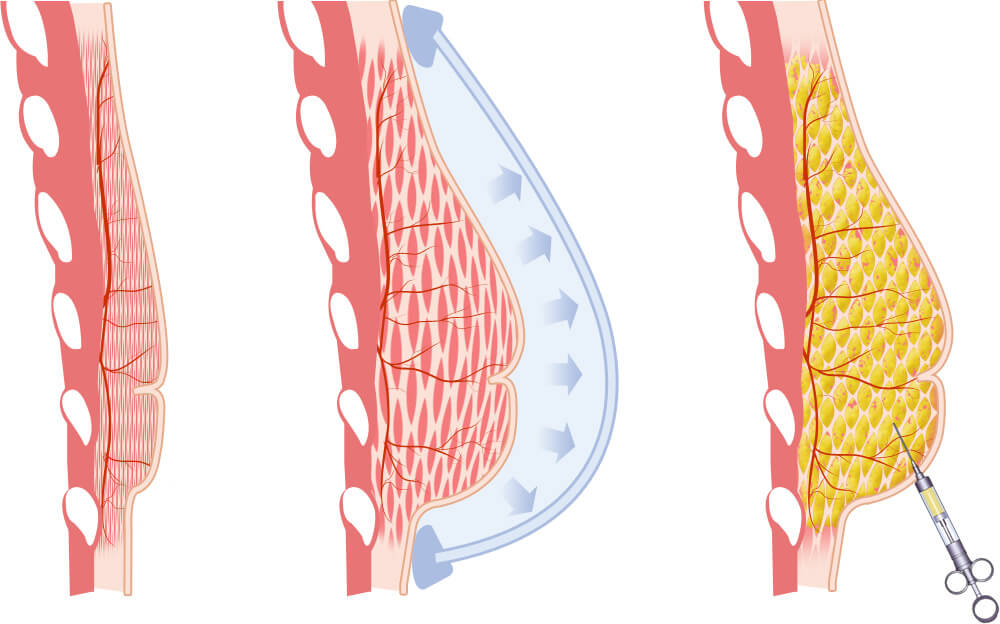
Mammographic Surveillance after Breast Reconstruction-is Imaging Necessary?

There is no consensus in regards to surveillance of women after mastectomy and reconstruction for breast cancer. Mammographic detection rates are low for surveillance after reconstruction and whilst there is insufficient evidence to support annual mammography in these women, there is widespread variation in its use.

Breast Reconstruction
We aimed to investigate the mode of detection of recurrent disease and comment on the use of surveillance mammography in our population of women undergoing mastectomy and reconstruction.

Data were retrieved from the Auckland Breast Cancer Registry (ABCR). All women with recurrence after mastectomy and reconstruction between 2000 and 2013 were identified from the database. Clinical records were reviewed for type of reconstruction, site of recurrence and mode of detection.